
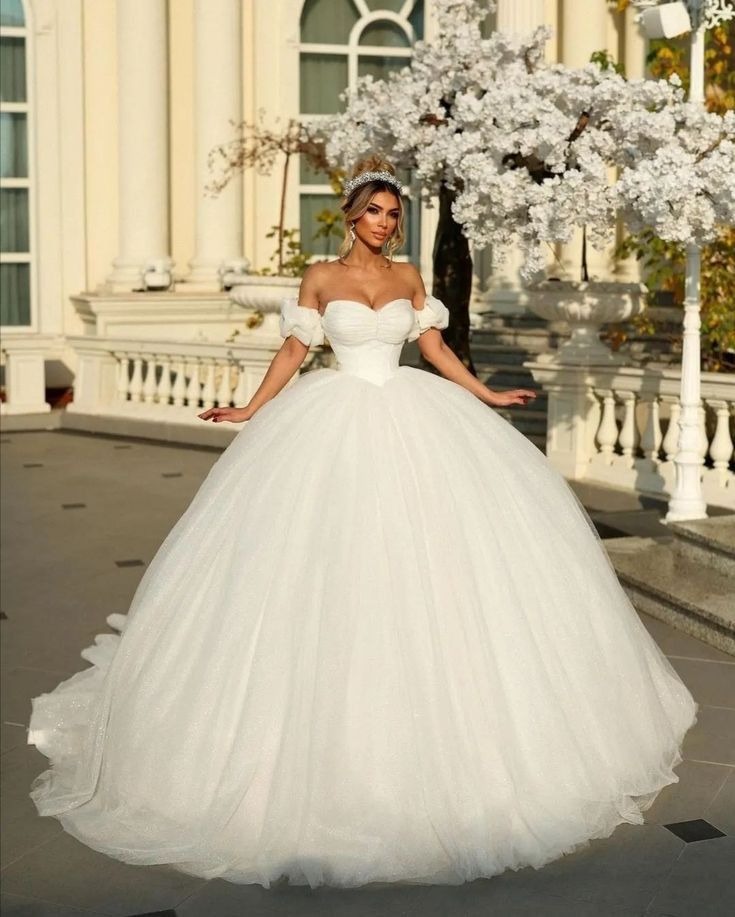
Bespoke Wedding Dresses for Luxury Weddings in the USA In the world of high-end weddings, nothing symbolizes elegance, individuality, and timeless beauty quite like bespoke wedding dresses for luxury weddings in the USA. As modern brides move away from mass-produced gowns, there is a growing desire for exclusivity, craftsmanship, and deeply personal design. Luxury weddings are no longer about excess alone—they are about meaning, artistry, and refinement.
The United States has become a global epicenter for bespoke bridal couture, offering access to world-class designers, couture ateliers, and artisanal craftsmanship that rival traditional fashion capitals such as Paris and Milan. From New York’s couture salons to Los Angeles’ red-carpet-inspired bridal houses and Miami’s glamorous ateliers, American bespoke bridal fashion is redefining luxury.
This comprehensive guide explores everything you need to know about bespoke wedding dresses for luxury weddings in the USA—from what “bespoke” truly means, to the design process, fabrics, pricing, timelines, and how to choose the perfect couture atelier for your dream wedding.
What Does “Bespoke Wedding Dress” Truly Mean?
Bespoke vs. Made-to-Measure vs. Ready-to-Wear
To understand the value of bespoke wedding dresses for luxury weddings in the USA, it’s essential to distinguish between common bridal categories:
- Ready-to-Wear: Pre-designed gowns made in standard sizes
- Made-to-Measure: Existing designs adjusted to a bride’s measurements
- Bespoke: A one-of-a-kind gown designed and handcrafted exclusively for one bride
A truly bespoke wedding dress is not adapted from an existing design. It is created from scratch—starting with a blank canvas and shaped entirely around the bride’s body, personality, wedding vision, and aesthetic preferences.
The Hallmarks of a Bespoke Bridal Gown
A genuine bespoke wedding dress includes:
- Custom design sketch created for the bride
- Multiple fittings with pattern adjustments
- Hand-selected couture fabrics
- Hand embroidery, beading, or lacework
- Couture construction techniques
- A gown that will never be replicated
This level of exclusivity is why bespoke wedding dresses are synonymous with luxury weddings in the USA.
Why Luxury Brides in the USA Choose Bespoke Wedding Dresses
Individuality in an Era of Personal Branding
Today’s luxury brides want more than a beautiful dress—they want a gown that reflects their identity. Whether inspired by heritage, architecture, art, or modern minimalism, bespoke wedding dresses allow brides to tell their personal story through fashion.
Perfect Fit Through Couture Tailoring
Even the most expensive ready-made gown cannot compare to the precision of bespoke tailoring. Luxury weddings demand perfection from every angle, and bespoke craftsmanship ensures flawless proportions, comfort, and movement.
Elevated Craftsmanship and Artistry
Bespoke wedding dresses for luxury weddings in the USA often involve:
- Hand-cut lace placements
- French seams and corsetry
- Custom draping techniques
- Hand-beaded embellishments that take hundreds of hours
This artisanal approach transforms the gown into a wearable work of art.
The American Luxury Bridal Couture Landscape
New York: The Capital of Couture Bridal Fashion
New York City is the heart of bespoke wedding dresses in the USA. Known for its couture heritage, NYC offers:
- World-renowned bridal designers
- Private couture salons
- European-trained pattern makers
- Access to exclusive imported fabrics
Luxury brides often travel internationally to work with New York-based ateliers specializing in bespoke wedding dresses for high-profile weddings.
Los Angeles: Red-Carpet Glamour Meets Bridal Couture
Los Angeles brings cinematic elegance to bespoke bridal design. Influenced by Hollywood glamour, LA designers are known for:
- Dramatic silhouettes
- Statement trains and veils
- Luxurious silk satins and crepes
- Bridal gowns that photograph beautifully
LA is especially popular for destination luxury weddings and celebrity brides.
Miami: Glamour, Romance, and Modern Luxury
Miami’s bridal couture scene is ideal for brides seeking sensual elegance. Bespoke wedding dresses here often feature:
- Lightweight couture fabrics
- Hand-embroidered details
- Contemporary silhouettes
- Designs suited for beachfront luxury weddings
The Bespoke Wedding Dress Design Process Explained
Step 1: The Initial Couture Consultation
The bespoke journey begins with a private consultation, either in person or virtually. During this stage, the designer explores:
- Wedding location and theme
- Bride’s personal style
- Body proportions
- Cultural or symbolic elements
- Budget and timeline
This consultation sets the foundation for the entire design.
Step 2: Custom Sketch and Design Development
After the consultation, the designer creates:
- Original hand-drawn or digital sketches
- Fabric recommendations
- Embellishment concepts
- Structural design elements
At this stage, the bride collaborates closely with the designer to refine the vision.
Step 3: Fabric Selection and Sourcing
Luxury bespoke wedding dresses in the USA use couture-level fabrics such as:
- French Chantilly lace
- Italian silk mikado
- Silk gazar
- Organza, tulle, and duchess satin
- Custom-woven textiles
Fabric selection plays a crucial role in how the gown moves, photographs, and feels.
Step 4: Pattern Making and First Fitting
A custom pattern is drafted specifically for the bride’s body. The first fitting usually involves:
- A muslin prototype
- Structural adjustments
- Proportion refinements
This step ensures the gown’s architecture is flawless before cutting the final fabric.
Step 5: Couture Construction and Handwork
This is the most time-intensive phase. Skilled artisans:
- Cut fabrics by hand
- Sew couture seams
- Apply hand embroidery or beading
- Build internal corsetry
Hundreds of hours may go into a single bespoke gown.
Step 6: Final Fittings and Completion
Multiple fittings ensure:
- Perfect fit
- Comfortable movement
- Ideal hem length
- Balanced weight distribution
The gown is completed just weeks before the wedding to ensure precision.
Fabrics Used in Bespoke Wedding Dresses for Luxury Weddings in the USA
Luxury bespoke bridal gowns stand apart because of their materials. Common couture fabrics include:
Silk-Based Fabrics
- Silk satin
- Silk mikado
- Silk crepe
- Silk organza
Lace and Embellishments
- French lace
- Hand-embroidered lace
- Beaded appliqués
- Custom lace motifs
Sustainable Luxury Fabrics
Modern luxury brides increasingly choose:
- Ethical silk
- Organic cotton blends
- Sustainably sourced lace
Customization Options Available with Bespoke Wedding Dresses
One of the greatest advantages of bespoke wedding dresses for luxury weddings in the USA is unlimited customization, including:
- Custom necklines and sleeves
- Detachable overskirts
- Convertible ceremony-to-reception designs
- Personalized embroidery (dates, initials, symbols)
- Heirloom lace integration
- Custom veils and accessories
Every element is intentional and exclusive.
Timelines: How Long Does a Bespoke Wedding Dress Take?
A true bespoke wedding dress typically requires:
- 6 to 12 months, depending on complexity
- Longer timelines for heavily embroidered gowns
Luxury brides are advised to begin the process early to allow creative freedom without time pressure.
Pricing: How Much Do Bespoke Wedding Dresses for Luxury Weddings in the USA Cost?
Pricing reflects craftsmanship, exclusivity, and time.
Typical Price Ranges
- Entry-level bespoke: $8,000 – $15,000
- High-end couture: $20,000 – $50,000+
- Ultra-luxury or celebrity gowns: $75,000 and above
While the investment is significant, bespoke wedding dresses are designed to be timeless heirlooms.
How to Choose the Right Bespoke Bridal Designer in the USA
Key Factors to Consider
- Portfolio quality and consistency
- Experience with luxury weddings
- Couture construction knowledge
- Client testimonials
- Personal connection with the designer
Luxury brides should feel heard, understood, and inspired throughout the process.
Bespoke Wedding Dresses and Destination Luxury Weddings in the USA
The USA offers iconic luxury wedding destinations:
- Napa Valley vineyards
- Hamptons estates
- Aspen mountain resorts
- Malibu oceanfront venues
Bespoke wedding dresses are often designed specifically to complement the venue, climate, and atmosphere.
Sustainability and Ethical Couture in Luxury Bridal Fashion
Modern luxury is evolving. Many American bespoke bridal designers now emphasize:
- Ethical labor practices
- Sustainable materials
- Slow fashion principles
- Long-lasting design over trends
This aligns with the values of conscious luxury brides.
The Emotional Value of Bespoke Wedding Dresses
Beyond aesthetics, bespoke wedding dresses hold deep emotional significance:
- A gown designed only for you
- A collaborative creative journey
- A tangible memory of your wedding story
Many brides preserve or pass down their bespoke gowns as family heirlooms.
The Future of Bespoke Wedding Dresses for Luxury Weddings in the USA
As personalization becomes the ultimate luxury, bespoke bridal couture continues to grow. Emerging trends include:
- Minimalist couture silhouettes
- Architectural draping
- Convertible gowns
- Technology-assisted fittings
- AI-enhanced design previews
Despite innovation, craftsmanship remains at the heart of bespoke bridal fashion.
Conclusion: Why Bespoke Wedding Dresses Define True Luxury
Bespoke wedding dresses for luxury weddings in the USA represent the highest expression of bridal fashion. They are not simply garments—they are artistic collaborations, symbols of individuality, and reflections of timeless elegance.
For brides who value exclusivity, craftsmanship, and personal storytelling, bespoke bridal couture offers an unparalleled experience. In a world of fast fashion and mass production, choosing bespoke is a declaration of refinement, intention, and enduring beauty.
A luxury wedding deserves a gown that is as extraordinary as the love it celebrates—and nothing embodies that promise better than a bespoke wedding dress.
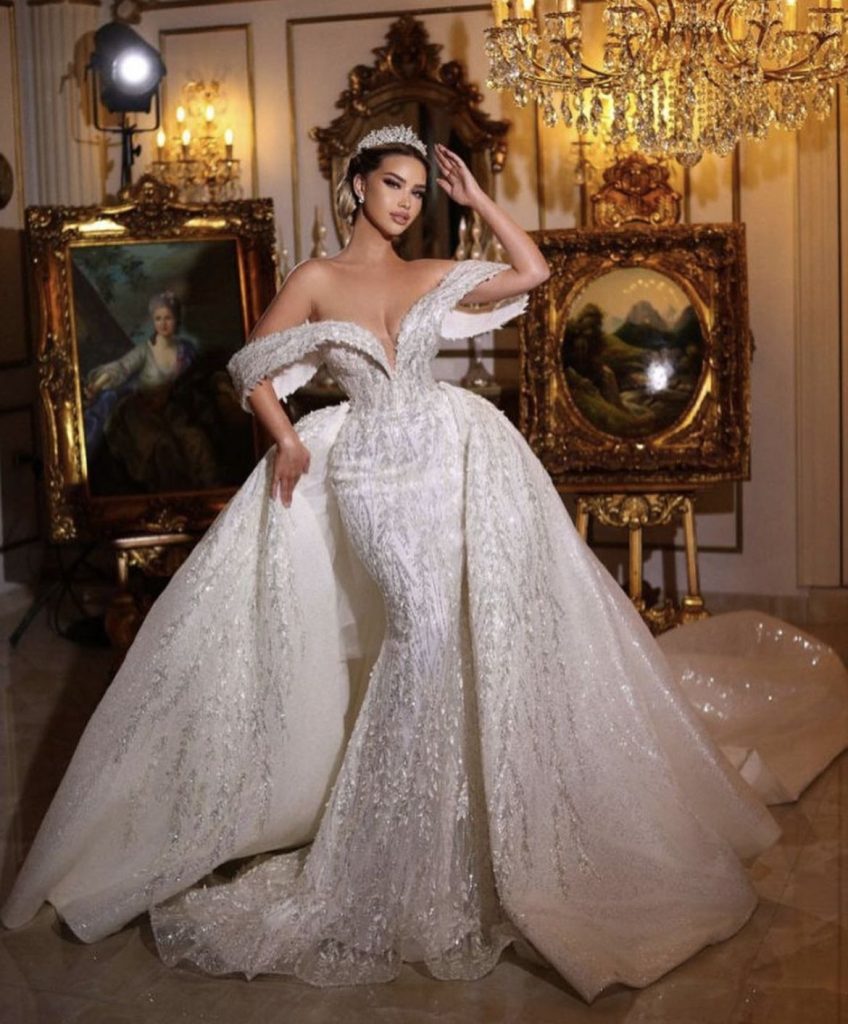
Eve of Milady Wedding Dresses
Eve of Milady wedding dresses hold a distinguished place in the history of luxury bridal fashion. Known for opulence, dramatic silhouettes, and couture-level craftsmanship, Eve of Milady has long been associated with timeless elegance and grandeur. Brides who choose Eve of Milady are not simply selecting a wedding gown; they are embracing a legacy rooted in classic romance, regal aesthetics, and meticulous detail.
From lavish ball gowns to intricately beaded bodices, Eve of Milady wedding dresses are celebrated for their unmistakable presence. These gowns are often characterized by structured corsetry, full skirts, cathedral-length trains, and luxurious fabrics such as silk satin, taffeta, and lace imported from Europe. Each design reflects an era when bridal fashion emphasized drama, formality, and enduring beauty.
Eve of Milady wedding dresses have traditionally appealed to brides seeking a statement look—one that commands attention and conveys sophistication. The brand’s design philosophy centers on femininity, romance, and craftsmanship rather than fleeting trends. This dedication to timeless design has allowed Eve of Milady to remain relevant across decades of changing bridal aesthetics.
The construction of Eve of Milady wedding dresses is another defining element. Many gowns feature internal boning, hand-applied embellishments, and carefully balanced proportions that enhance the bride’s figure. The attention to structure ensures that the gown not only looks luxurious but also maintains its shape throughout the wedding day.
In the modern bridal market, Eve of Milady wedding dresses continue to be sought after by brides who appreciate traditional luxury. While minimalist trends have gained popularity, there remains a strong demand for gowns that evoke old-world romance and classic bridal glamour. Eve of Milady fulfills this desire through designs that honor tradition while maintaining relevance in contemporary luxury weddings.
Made with Love Bridal
Made with Love Bridal represents a different yet equally compelling chapter in the luxury bridal fashion landscape. Known for its modern, effortless, and romantic aesthetic, Made with Love Bridal has gained international recognition for redefining contemporary bridal style. While Eve of Milady embodies classic opulence, Made with Love Bridal speaks to the modern bride who values simplicity, fluidity, and understated luxury.
Made with Love Bridal wedding dresses are characterized by clean lines, soft fabrics, and silhouettes that emphasize natural movement. The brand often incorporates crepe, silk, and lightweight lace, creating gowns that feel both luxurious and wearable. These dresses are designed to enhance the bride rather than overshadow her, offering an intimate and refined bridal experience.
One of the defining qualities of Made with Love Bridal is its commitment to comfort without sacrificing elegance. Brides often praise the brand for designs that feel effortless yet sophisticated, making them ideal for destination weddings, outdoor ceremonies, and contemporary luxury venues.
Made with Love Bridal has also become synonymous with personalization. Many of their designs allow for subtle customization, such as neckline variations, sleeve additions, or fabric adjustments. This flexibility appeals to brides who want a gown that feels unique while still reflecting a cohesive design vision.
In terms of global influence, Made with Love Bridal has successfully bridged the gap between high-end bridal fashion and accessibility. While still positioned within the luxury market, the brand’s approach resonates with a new generation of brides who prioritize authenticity, individuality, and modern elegance.
Luxury Wedding Dress Designers
Luxury wedding dress designers play a crucial role in shaping bridal fashion, setting standards for craftsmanship, creativity, and exclusivity. These designers are not merely creating garments; they are defining moments, memories, and emotional experiences that last a lifetime.
Luxury wedding dress designers are distinguished by several key elements: premium materials, couture-level construction, attention to detail, and a deep understanding of bridal aesthetics. Unlike mass-market brands, luxury designers focus on limited production, ensuring quality control and exclusivity.
Eve of Milady and Made with Love Bridal represent two distinct approaches within the luxury wedding dress designer category. Eve of Milady embodies traditional luxury, characterized by ornate embellishments and structured silhouettes. Made with Love Bridal, on the other hand, reflects modern luxury, emphasizing simplicity, fluidity, and contemporary romance.
What unites luxury wedding dress designers is their commitment to excellence. From fabric sourcing to final fittings, every stage of the design and production process is carefully managed. Many luxury designers work with skilled artisans who specialize in embroidery, lace application, and couture tailoring.
Luxury wedding dress designers also understand the emotional significance of a wedding gown. These designers often engage directly with brides, offering consultations and fittings that allow for personalization and refinement. This relationship between designer and bride is a defining feature of the luxury bridal experience.
As the bridal industry evolves, luxury wedding dress designers continue to adapt while preserving their core values. Sustainability, ethical production, and timeless design have become increasingly important, influencing how luxury gowns are created and perceived.
Eve of Milady Wedding Dresses 1990
The 1990s represent a defining era for Eve of Milady wedding dresses. During this decade, bridal fashion was characterized by grandeur, drama, and an unmistakable sense of formality. Eve of Milady emerged as a leading name, offering gowns that epitomized the bridal ideals of the time.
Eve of Milady wedding dresses from the 1990s are instantly recognizable. These gowns often featured voluminous skirts, long trains, high necklines, and elaborate embellishments. Lace, pearls, sequins, and embroidery were used generously, creating gowns that felt luxurious and ceremonial.
The influence of royal weddings and high-society events was evident in Eve of Milady’s 1990s collections. Brides sought gowns that conveyed status and elegance, and Eve of Milady delivered designs that met these expectations. Structured bodices, dramatic sleeves, and cathedral veils were common elements.
Fabric choice played a significant role in defining Eve of Milady wedding dresses of the 1990s. Heavy silk satins, taffetas, and layered tulles contributed to the gowns’ architectural presence. These materials allowed for dramatic silhouettes that maintained their shape throughout the ceremony.
Today, Eve of Milady wedding dresses from the 1990s are experiencing renewed interest. As vintage bridal fashion gains popularity, brides and collectors alike are drawn to the craftsmanship and timeless appeal of these gowns. The 1990s designs represent an era when bridal fashion was unapologetically grand.
Miledy Bridal Boutique Reviews
Miledy Bridal Boutique reviews provide valuable insight into the real-world experience of brides who have interacted with the brand and its offerings. These reviews often highlight the boutique’s selection, service quality, and overall atmosphere, offering prospective brides a clearer understanding of what to expect.
Many Miledy Bridal Boutique reviews emphasize the boutique’s curated selection of luxury wedding dresses, including Eve of Milady designs. Brides frequently note the availability of classic and ornate gowns that cater to traditional tastes. The boutique is often described as a destination for brides seeking elegance and formality.
Customer service is a recurring theme in Miledy Bridal Boutique reviews. Positive reviews often mention attentive consultants, knowledgeable staff, and personalized assistance throughout the gown selection process. Brides appreciate guidance that respects their preferences while offering expert advice.
Fit and alterations are also commonly discussed in Miledy Bridal Boutique reviews. Given the structured nature of many Eve of Milady gowns, professional alterations are essential. Reviews frequently reference the importance of skilled tailoring in achieving the desired look and comfort.
While experiences can vary, Miledy Bridal Boutique reviews collectively underscore the significance of boutique environment in the luxury bridal journey. For many brides, the boutique visit is a memorable part of the wedding planning process, and reviews reflect how this experience can influence overall satisfaction.
Eve of Milady Vintage Wedding Dresses
Eve of Milady vintage wedding dresses occupy a unique space in bridal fashion, blending historical charm with enduring luxury. These gowns are celebrated for their craftsmanship, distinctive designs, and representation of bridal traditions from past decades.
Vintage Eve of Milady wedding dresses often feature elements that are rarely found in contemporary designs, such as intricate hand-beading, dramatic lace appliqués, and elaborate train details. These features reflect an era when bridal gowns were designed to make a bold statement.
The appeal of Eve of Milady vintage wedding dresses lies in their authenticity. Each gown tells a story, capturing the aesthetic values and cultural influences of its time. Brides who choose vintage often do so to honor tradition, embrace nostalgia, or achieve a truly unique bridal look.
Preservation and restoration are important considerations for Eve of Milady vintage wedding dresses. Due to their age and intricate construction, these gowns require careful handling and professional care. When properly maintained, vintage gowns can be worn, displayed, or passed down as heirlooms.
In modern weddings, Eve of Milady vintage wedding dresses are often styled with contemporary accessories to create a balanced look. This fusion of old and new allows brides to celebrate history while expressing personal style.
The growing interest in sustainable fashion has also contributed to the resurgence of vintage bridal gowns. Choosing a vintage Eve of Milady dress aligns with eco-conscious values, offering a meaningful alternative to newly produced garments.
The enduring legacy of Eve of Milady wedding dresses, the modern elegance of Made with Love Bridal, the artistry of luxury wedding dress designers, the iconic influence of Eve of Milady wedding dresses from the 1990s, authentic insights from Miledy Bridal Boutique reviews, and the timeless charm of Eve of Milady vintage wedding dresses together form a rich narrative within the world of luxury bridal fashion.
Bespoke Wedding Dress Design Process: A Complete Guide to Creating a One-of-a-Kind Bridal Masterpiece
Introduction: Understanding the Bespoke Wedding Dress Design Process
The Bespoke Wedding Dress Design Process represents the highest level of craftsmanship, personalization, and artistic collaboration in bridal fashion. Unlike ready-to-wear or made-to-measure gowns, a bespoke wedding dress is created entirely from scratch, designed exclusively for one bride, and tailored to her body, vision, and wedding narrative.
In an era where personalization defines luxury, the bespoke wedding dress design process has become the ultimate choice for brides seeking individuality, flawless fit, and couture-level quality. This process is not merely about creating a garment—it is about shaping an experience, a story, and a legacy through design.
This in-depth guide explores every stage of the bespoke wedding dress design process, revealing how couture gowns are conceptualized, crafted, and perfected from the first consultation to the final fitting.
What Makes the Bespoke Wedding Dress Design Process Unique
The bespoke wedding dress design process differs fundamentally from all other bridal design methods. It begins with a blank page—no existing pattern, no pre-designed silhouette, and no limitations imposed by mass production.
Key characteristics that define the bespoke wedding dress design process include:
- A completely original design created for one bride
- Custom pattern drafting based on precise body measurements
- Multiple fittings for refinement and perfection
- Hand-selected luxury fabrics
- Couture construction techniques
- Extensive handwork, embroidery, and detailing
This process ensures that the final gown is a true reflection of the bride’s personality, body, and wedding aesthetic.
The Emotional Significance of the Bespoke Wedding Dress Design Process
Beyond craftsmanship, the bespoke wedding dress design process carries deep emotional value. Brides are not passive consumers; they are active collaborators. Each decision—from silhouette to fabric, from neckline to train length—becomes part of a shared creative journey.
For many brides, this process creates a profound emotional connection to the gown. The dress is not just worn; it is lived in, imagined, refined, and emotionally invested in over months of collaboration.
Stage One: The Initial Consultation in the Bespoke Wedding Dress Design Process
The first step in the bespoke wedding dress design process is the initial consultation. This meeting sets the foundation for the entire journey and is often the most important stage.
Understanding the Bride’s Vision
During the consultation, the designer seeks to understand:
- The bride’s personal style and lifestyle
- Wedding location and season
- Cultural or religious considerations
- Desired level of formality
- Emotional tone of the wedding
- Inspirations such as art, architecture, or heritage
This conversation allows the designer to translate abstract ideas into a cohesive design direction.
Body Analysis and Proportion Assessment
An essential component of the bespoke wedding dress design process is understanding the bride’s body structure. Designers assess proportions, posture, movement, and comfort preferences to ensure the gown enhances natural beauty while allowing ease of wear.
Stage Two: Design Concept Development
Once the vision is clear, the bespoke wedding dress design process moves into concept development.
Creating the Initial Design Sketch
The designer creates one or more original sketches that represent the proposed gown. These sketches include:
- Silhouette
- Neckline and sleeve options
- Skirt volume and length
- Train design
- Embellishment placement
Each sketch is unique and created exclusively for the bride.
Collaborative Refinement
The bespoke wedding dress design process is highly collaborative. Brides provide feedback, request adjustments, and explore alternatives. This dialogue continues until the design feels perfectly aligned with the bride’s vision.
Stage Three: Fabric Selection and Textile Sourcing
Fabric selection is one of the most critical stages in the bespoke wedding dress design process. Luxury fabrics determine how the gown moves, photographs, and feels.
Common Fabrics Used in Bespoke Wedding Dresses
- Silk satin
- Silk mikado
- Silk crepe
- Silk organza
- French Chantilly lace
- Italian tulle
- Hand-embroidered lace
Designers often source fabrics from renowned textile houses, ensuring exceptional quality and exclusivity.
Fabric Testing and Draping
Before finalizing fabric choices, designers may drape textiles on a mannequin or test how materials interact. This step ensures the chosen fabrics align with the intended silhouette and structure.
Stage Four: Custom Pattern Drafting
Pattern drafting is the technical heart of the bespoke wedding dress design process.
Creating a Unique Pattern
Unlike standard patterns, bespoke patterns are drafted specifically for the bride’s measurements. Every curve, angle, and seam placement is calculated to achieve perfect balance and proportion.
Structural Engineering
Designers consider internal structure, including:
- Corsetry
- Boning
- Support layers
- Weight distribution
This ensures the gown maintains its shape while remaining comfortable.
Stage Five: The First Fitting (Toile or Muslin Fitting)
The first fitting is a milestone in the bespoke wedding dress design process.
Purpose of the First Fitting
A prototype gown—often made from muslin—is created to test:
- Overall silhouette
- Fit and proportion
- Neckline depth
- Sleeve movement
- Skirt volume
This fitting allows designers to make structural adjustments before cutting into the final fabric.
Refinement Through Precision
During the first fitting, changes are marked directly on the toile. This hands-on refinement is essential to achieving couture-level accuracy.
Stage Six: Cutting and Couture Construction
Once the pattern is finalized, the bespoke wedding dress design process moves into construction.
Hand-Cutting the Fabric
Luxury fabrics are cut by hand to ensure precision and minimize waste. Pattern placement is carefully planned, especially when working with lace or directional textures.
Couture Sewing Techniques
Construction involves traditional couture techniques, such as:
- French seams
- Hand-stitched hems
- Internal corsetry
- Invisible closures
- Hand-applied lace motifs
This stage can take hundreds of hours, depending on complexity.
Stage Seven: Embellishment and Handwork
Embellishment is where artistry truly shines in the bespoke wedding dress design process.
Types of Handwork
- Hand embroidery
- Beading
- Pearl and crystal application
- Lace appliqué
- Custom embroidery with initials or dates
Each embellishment is placed intentionally to enhance the gown’s design without overwhelming it.
Stage Eight: Subsequent Fittings and Adjustments
Multiple fittings are essential in the bespoke wedding dress design process to ensure perfection.
Second and Third Fittings
These fittings focus on:
- Fine-tuning fit
- Adjusting comfort
- Balancing weight
- Refining details
As the gown nears completion, adjustments become increasingly subtle.
Stage Nine: Final Fitting and Completion
The final fitting is the culmination of the bespoke wedding dress design process.
Perfecting the Final Look
During the final fitting, designers confirm:
- Hem length with wedding shoes
- Bustle functionality
- Veil and accessory compatibility
- Ease of movement
The gown is steamed, finished, and prepared for the wedding day.
Timeline of the Bespoke Wedding Dress Design Process
A true bespoke wedding dress typically requires:
- 6 to 12 months from consultation to completion
- Additional time for heavily embellished designs
Starting early allows for creative exploration and stress-free refinement.
Cost Considerations in the Bespoke Wedding Dress Design Process
The cost reflects time, skill, and exclusivity.
Typical Price Ranges
- Entry-level bespoke: $8,000–$15,000
- High couture bespoke: $20,000–$50,000+
- Ultra-luxury designs: $75,000+
Each gown is an investment in craftsmanship and individuality.
Sustainability and Ethics in the Bespoke Wedding Dress Design Process
Modern bespoke designers increasingly emphasize:
- Ethical labor practices
- Sustainable fabric sourcing
- Slow fashion principles
- Long-lasting design
The bespoke wedding dress design process aligns naturally with sustainability by prioritizing quality over quantity.
The Role of Technology in the Bespoke Wedding Dress Design Process
While rooted in tradition, modern bespoke design incorporates technology:
- 3D design visualization
- Digital pattern drafting
- Virtual consultations
- Fabric simulation tools
These innovations enhance precision without replacing craftsmanship.
Common Misconceptions About the Bespoke Wedding Dress Design Process
Some believe bespoke is restrictive or overwhelming. In reality, the process is guided, supportive, and highly personalized. Designers lead brides step by step, ensuring clarity and confidence.
Why the Bespoke Wedding Dress Design Process Defines True Luxury
Luxury is not defined by price alone—it is defined by intention, craftsmanship, and meaning. The bespoke wedding dress design process embodies all three.
A bespoke gown is not trend-driven; it is timeless. It is not replicated; it is singular. It is not merely worn; it is remembered.
Conclusion: The Enduring Value of the Bespoke Wedding Dress Design Process
The Bespoke Wedding Dress Design Process is a celebration of individuality, artistry, and collaboration. It transforms a bride’s vision into a tangible masterpiece through patience, skill, and creativity.
For brides seeking perfection, emotional connection, and unparalleled quality, the bespoke wedding dress design process offers an experience as extraordinary as the wedding itself. It is not simply about creating a dress—it is about creating a legacy, stitched with intention and worn with confidence.
Related Topics
04.10.2025
Affordable Wedding Dress Trends in Turkey for 2025 Brides As the wedding season approaches in 2025, brides-to-be across the globe are turning their eyes toward Turkey—not just for its breathtaking destinations like Cappadocia’s fairy chimneys...

10.03.2026
Exploring VIP Wedding Dress Trends in Turkey The world of bridal fashion is ever-evolving, and when it comes to VIP Wedding Dress Trends Turkey, there’s a captivating blend of tradition, luxury, and modern innovation that...
17.05.2024
Wedding Dress Prices Turkey The average price of a wedding dress in Turkey can vary depending on various factors such as the brand, designer, fabric, and intricacy of design. However, as of my last update,...

20.01.2026
American Brides Are Choosing Luxury Custom Wedding Dresses In recent years, the American wedding industry has undergone a remarkable transformation. While weddings have always been a celebration of love, commitment, and tradition, modern brides are...

20.06.2025
Elegant Wedding Dresses Your wedding day is one of the most memorable moments of your life, and choosing the perfect elegant wedding dress is a pivotal part of creating that magical experience. An elegant wedding...
27.03.2026
Best Places to Shop Custom Wedding Dresses in the USA Finding the perfect wedding dress is one of the most emotional and meaningful parts of wedding planning. In 2026, more brides than ever are choosing...
Comments